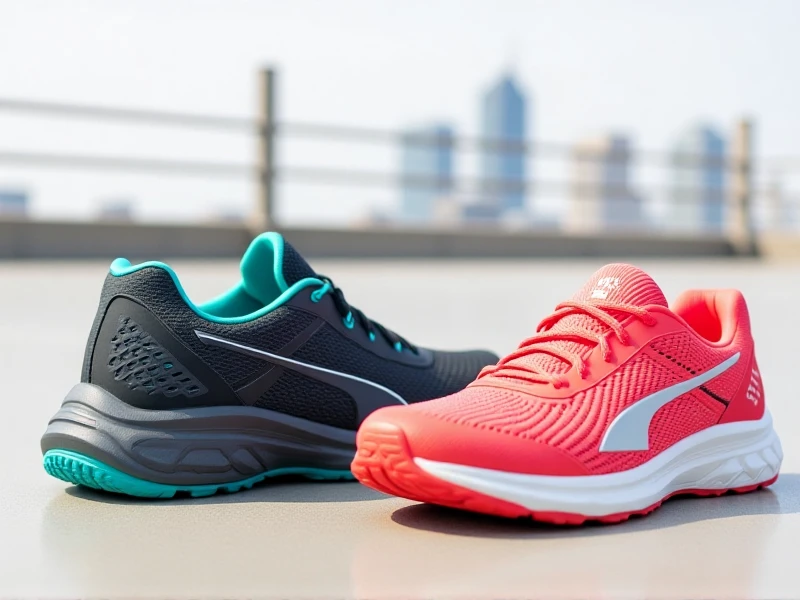
Finding Your Perfect Pair: The Ultimate Guide to Men’s Running Shoes
Every stride matters when you hit the pavement or trail. Choosing the right Men's Running Shoes is paramount, not just for speed and comfort, but for injury prevention and unlocking your true running potential. This guide cuts through the noise, helping you find runners built for your unique feet and goals.
Why the Right Fit is Non-Negotiable
Running imposes significant impact forces. Men's Running Shoes act as critical shock absorbers and stabilisers. Ill-fitting or worn-out running trainers lead to discomfort, blisters, and serious issues like plantar fasciitis or shin splints. Don't compromise – your feet and performance deserve expert support.
Key Features to Prioritize
- Cushioning: Level ranges from feather-light minimalism to plush, maximalist foam soles. Road runners often prefer softer cushioning (e.g., brands like Brooks Ghost, Nike Pegasus), while trail runners need responsive yet protective midsoles. Consider your joint sensitivity and preferred run distance.
- Stability & Support: Pronation determines your need. Neutral shoes suit runners with efficient foot motion. Men needing overpronation control require Stability or Motion Control running footwear with features like medial posts (e.g., Asics GT-2000, Saucony Guide) for a smoother, safer gait.
- The Perfect Fit: Get professionally fitted! Measure both feet later in the day. Allow a thumbnail’s width at the toe. Check heel grip and midfoot security. Men often have wider options available.
- Purpose-Driven Builds: Are you hitting roads, tackling trails, racing, or logging easy miles? Road shoes offer lightweight grip. Trail running shoes provide aggressive traction, durable uppers, and rock plates. Racing flats prioritise low weight and responsiveness.
- Materials Matter: Breathable mesh uppers keep feet cool and reduce friction. Look for reinforced zones in high-wear areas. Flexible yet durable outsoles ensure responsive toe-off and longevity.
Top Considerations When Choosing
- Foot Type: Know your arch height and gait pattern. A gait analysis at a specialist running store is invaluable for fitting the right Men's Running Shoes.
- Run Frequency & Distance: Daily trainers need durability and comfort. Long-distance specialists benefit from enhanced cushioning. Speedwork demands lighter, more flexible sneakers.
- Terrain: Match the shoe to your primary surface. Dedicated trail shoes are essential for off-road terrain safety.
- Weight: A lighter shoe enhances speed; more cushioning adds weight for comfort over distances. Find your equilibrium.
Taking the Next Step
Don't run in worn-out kicks! Replace Men's Running Shoes every 300-500 miles. Cushioning degrades long before obvious midsole wear appears.
Investing in the perfect pair revolutionizes your run. Focus on fit, functionality for your needs, and core features like stability and cushioning. Embrace the journey to find your ideal running partners – your feet will thank you mile after mile. What's the biggest challenge you've faced finding running footwear?