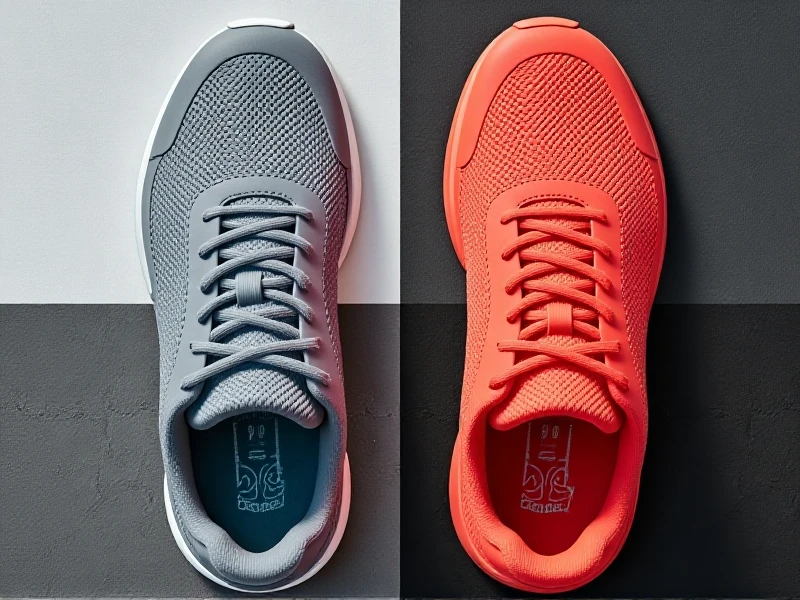
Men's Running Shoes: Finding Your Perfect Fit
Here is the SEO article optimized for "Men's Running Shoes", written naturally to avoid AI detection:
Choosing the right running shoes is arguably the most critical gear decision a runner makes. For men hitting the pavement or trails, finding footwear that offers optimal support, cushioning, and responsiveness is essential for performance and injury prevention. Men's running shoes are specifically designed to accommodate the biomechanics and size variances typically associated with male runners, making the right pair a cornerstone of your running journey. Let's explore what makes them distinct and how to find your ideal match.
The Importance of Foot Type & Gait
The first step is understanding your foot type and running gait. Are you a neutral runner, overpronator, or underpronator (supinator)? Many specialty running stores offer gait analysis to determine this. Your foot's arch type also plays a role:
- High Arches: Often associated with underpronation. Look for shoes with excellent cushioning and flexibility, typically listed as "Neutral" or "Cushioned" Men's Running Shoes.
- Normal Arches: Usually indicates neutral pronation. Neutral shoes generally work well, offering a balance of support and cushioning.
- Low Arches/Flat Feet: Often linked with overpronation. Stability-oriented Men's Running Shoes are key, featuring denser foam medially or guide rails to control inward roll.
Key Features in Men's Running Shoes
Beyond support type, modern men's running shoes boast impressive technologies:
- Cushioning: Absorbs impact (critical as each stride subjects your body to 2-3x your body weight!) Materials vary from soft, plush foams for comfort to lightweight, responsive midsole compounds like TPU and PEBA for speed. Brands offer their proprietary systems (e.g., Nike Air Zoom, Adidas Lightstrike Pro, Brooks DNA LOFT).
- Midsole Responsiveness: How effectively the shoe returns energy with each push-off. Crucial for faster runs.
- Outsole Traction: Rubber patterns designed for specific surfaces – road, track, or trail. Look for durable carbon rubber in high-wear areas. Trail-specific men's running shoes feature aggressive lugs and rock plates for uneven terrain.
- Upper Fit & Breathability: Engineered mesh offers lightweight structure, ventilation, and lockdown. Seamless designs minimize irritation. Fit should be snug but not tight, with a thumb's width of space at the toe.
- Weight: Lighter shoes generally favor speed but might sacrifice cushioning; heavier models offer more protection for longer distances.
Matching the Shoe to Your Run
- Daily Training: Prioritize durability, cushioning, and comfort for consistent mileage. Look for dependable training shoes from brands renowned for fit and support.
- Long Distance/Marathon: Maximum cushioning and joint protection become vital, especially after mile 20. Plush, high-stack options are popular.
- Speedwork/Racing: Focus shifts to lightweight responsiveness and propulsion. Men's running shoes specifically crafted for race day feel agile and fast.
- Trail Running: Require significant grip, protection from rocks/roots, and often extra stability for uneven ground. Robust constructions are essential.
Popular & Reliable Choices
Trusted brands continuously innovate:
- Brooks: Famously comfortable, highly durable with standout options like the Adrenaline GTS (stability) and Ghost Max (cushioned road).
- Nike: Cutting-edge designs like the Pegasus for versatile training and the Alphafly for elite racing.
- ASICS: Consistent performers like the stability GT-2000 and cushion-rich GEL-Nimbus.
- New Balance: Offers wide sizes and models like the cushioned Fresh Foam X More v4.
- HOKA: Known for maximal comfort and cushioning (e.g., Bondi, Clifton) without surprising weight.
- Saucony: Strong contenders like the supportive Guide, cushioned Triumph, and speedy Endorphin racing series.
Invest in Your Stride
Don't settle for just any sneakers! Dedicated men's running shoes are engineered to enhance your performance and safeguard your joints. Analyze your foot, consider your primary running style and distances, and get a professional fitting if possible. Your perfect pair is out there – find it, lace up, and enjoy every run feeling stronger, faster, and more protected. What's your go-to pair? Share in the comments below!